Two lower-VOC finish systems for suitable stained-wood cabinetry: a plant-based hardwax oil and a water-based stain. Choose them for how the grain looks and feels, then confirm every detail on real sample doors.
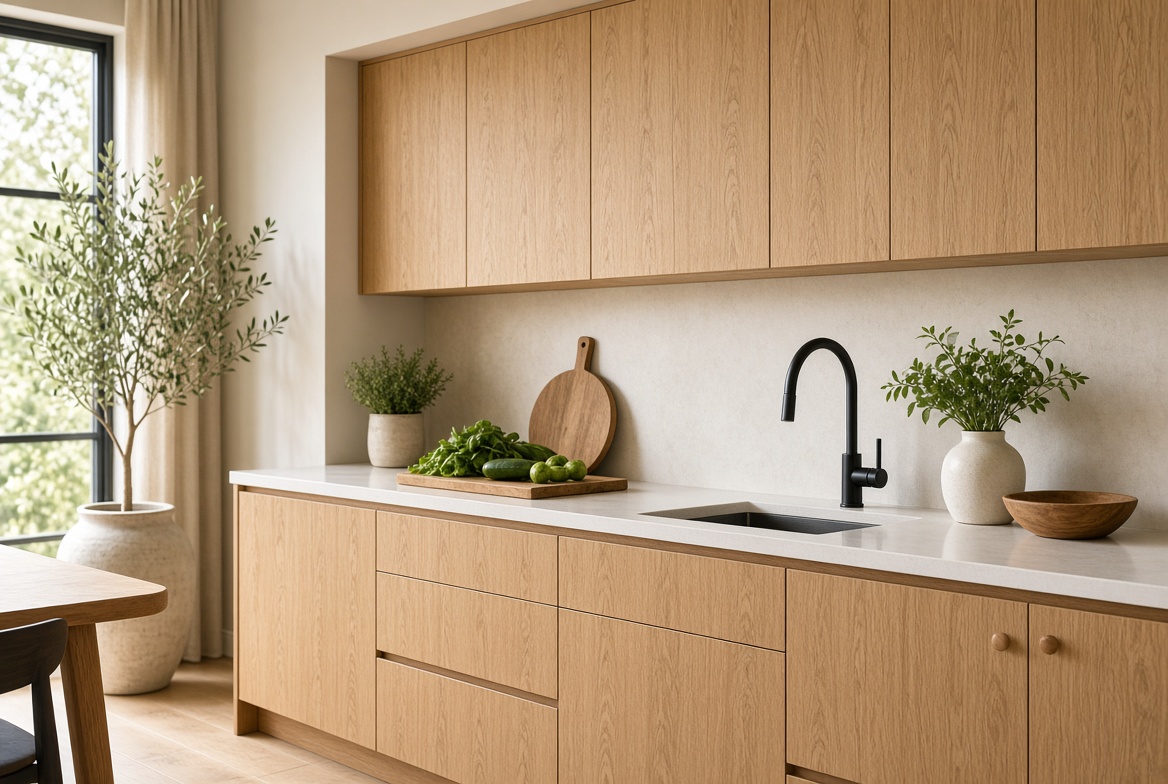
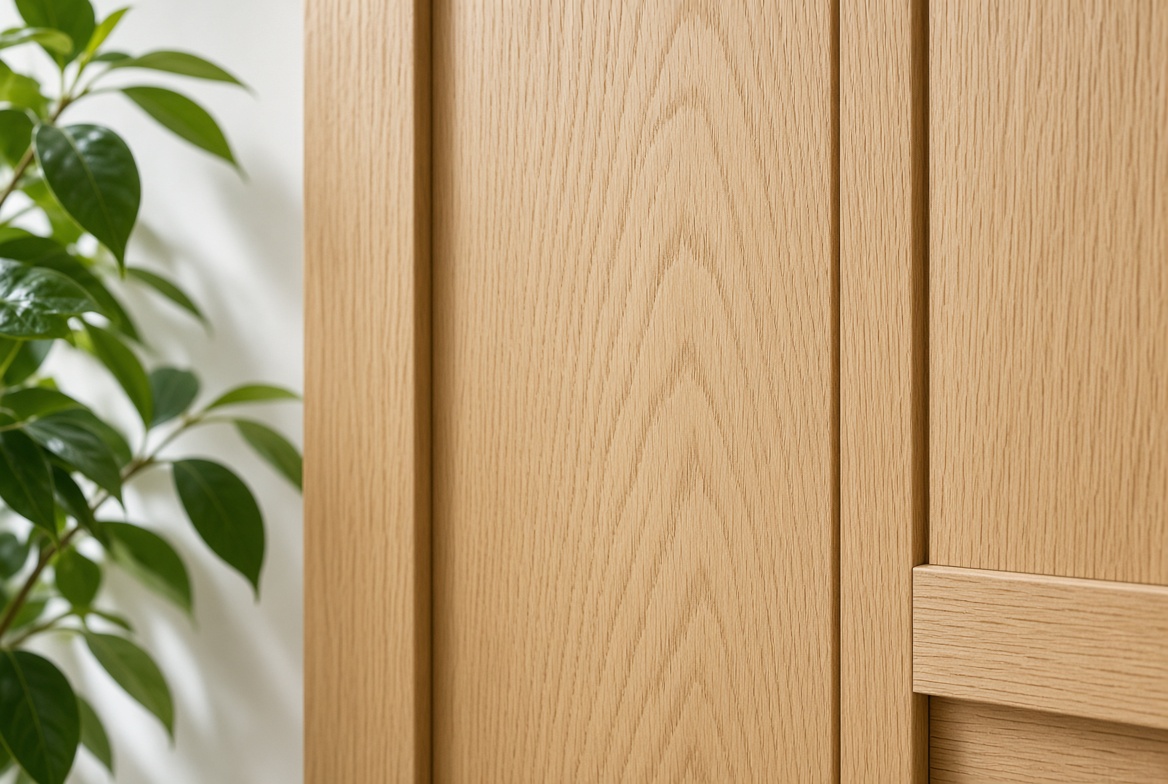
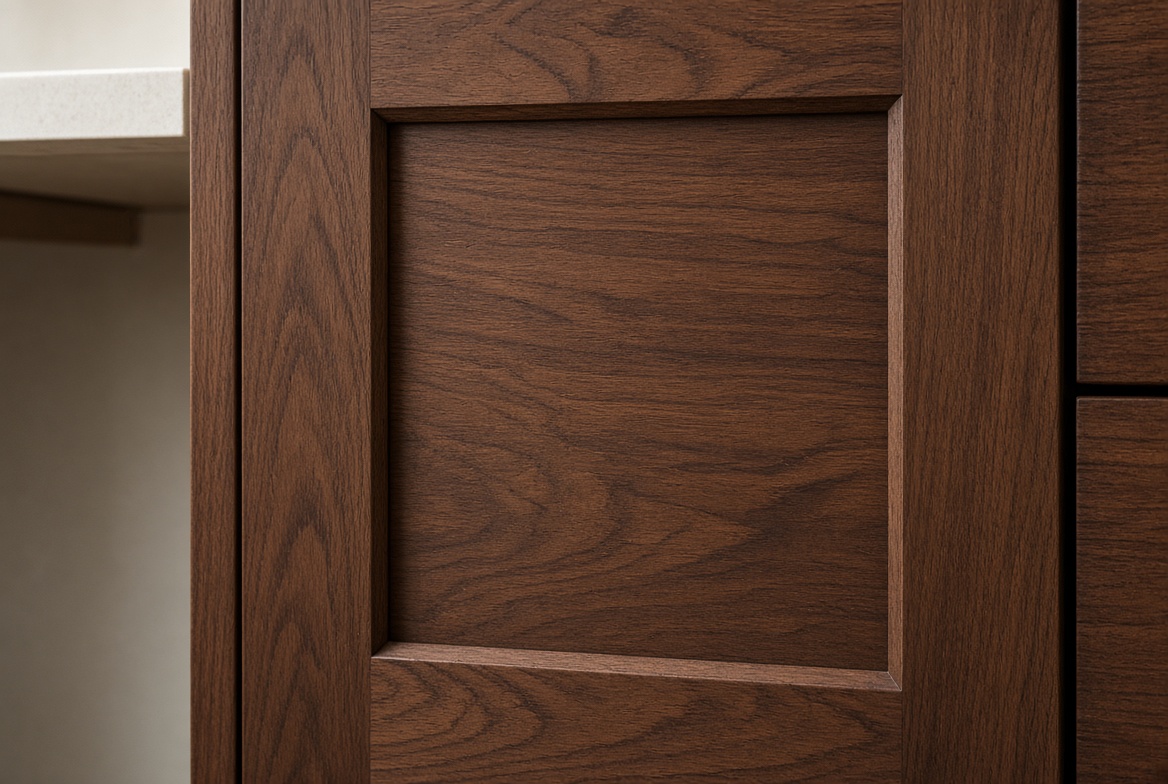
Illustrative Natural oak kitchen. Owner-supplied appearance reference, not a SEKCÉ production photo.
Plain language first
What we mean by sustainable
Here “sustainable” describes lower-VOC and plant-derived finish choices. It is not a carbon-neutral or zero-impact claim.
Low VOC does not mean zero emissions, allergy-free or harmless. Supplier product certifications are not certifications of SEKCÉ, its factory or every finished cabinet.
SEKCÉ offers these two systems for suitable stained-wood cabinetry. Discuss Heritage, Design and custom-stained projects with the team to confirm the wood, color, substrate, topcoat and written finish schedule before ordering.
Side by side
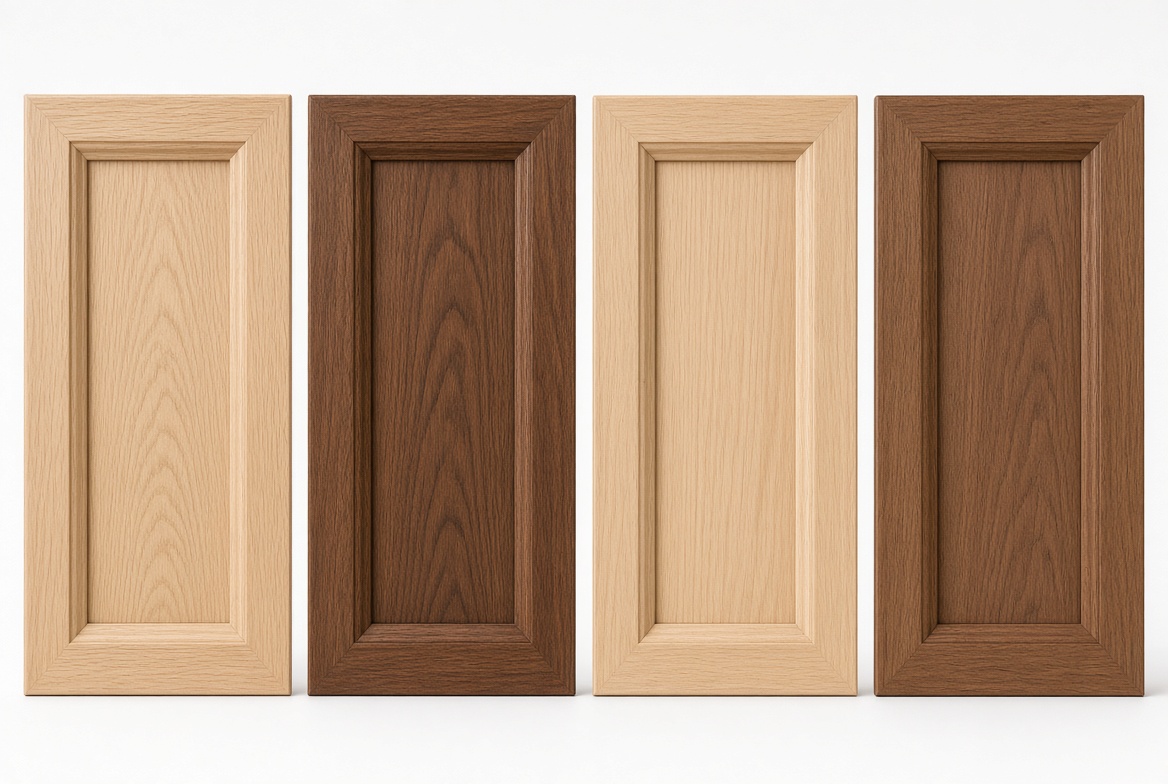
Same door, different character
Grain, tone and profile shadow change together. That is why we recommend judging a finish on a whole door, not a chip on a screen.
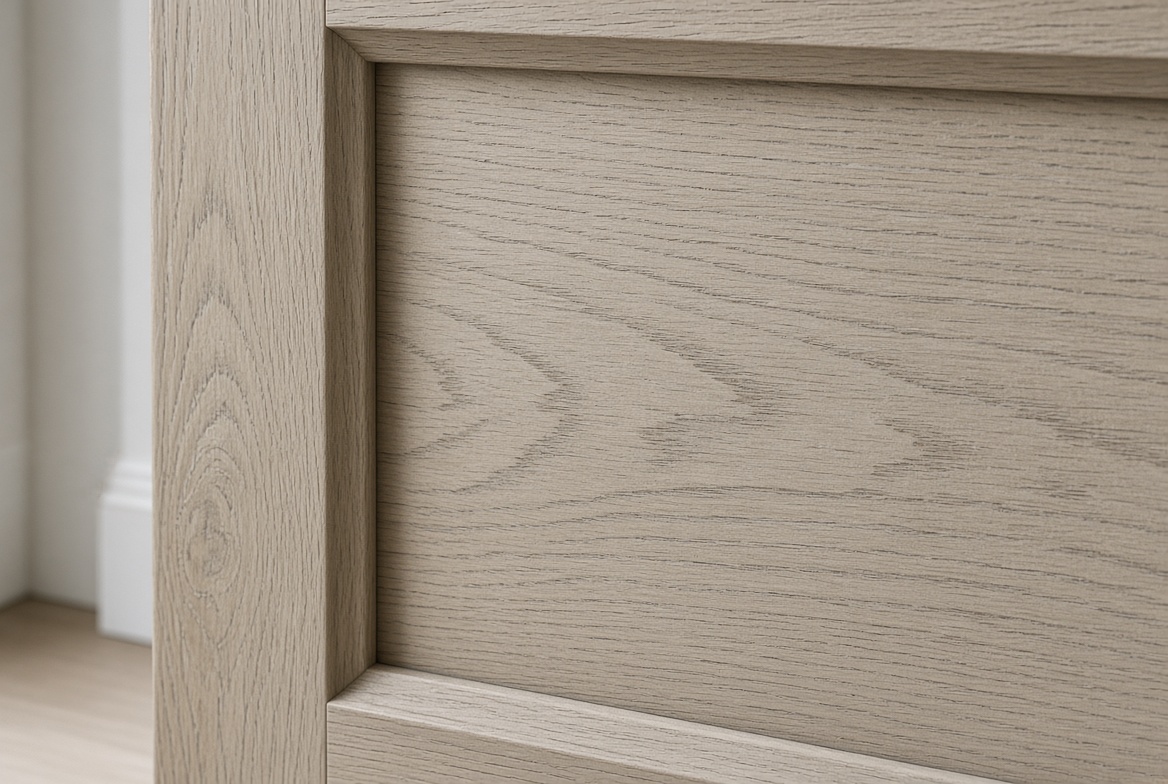
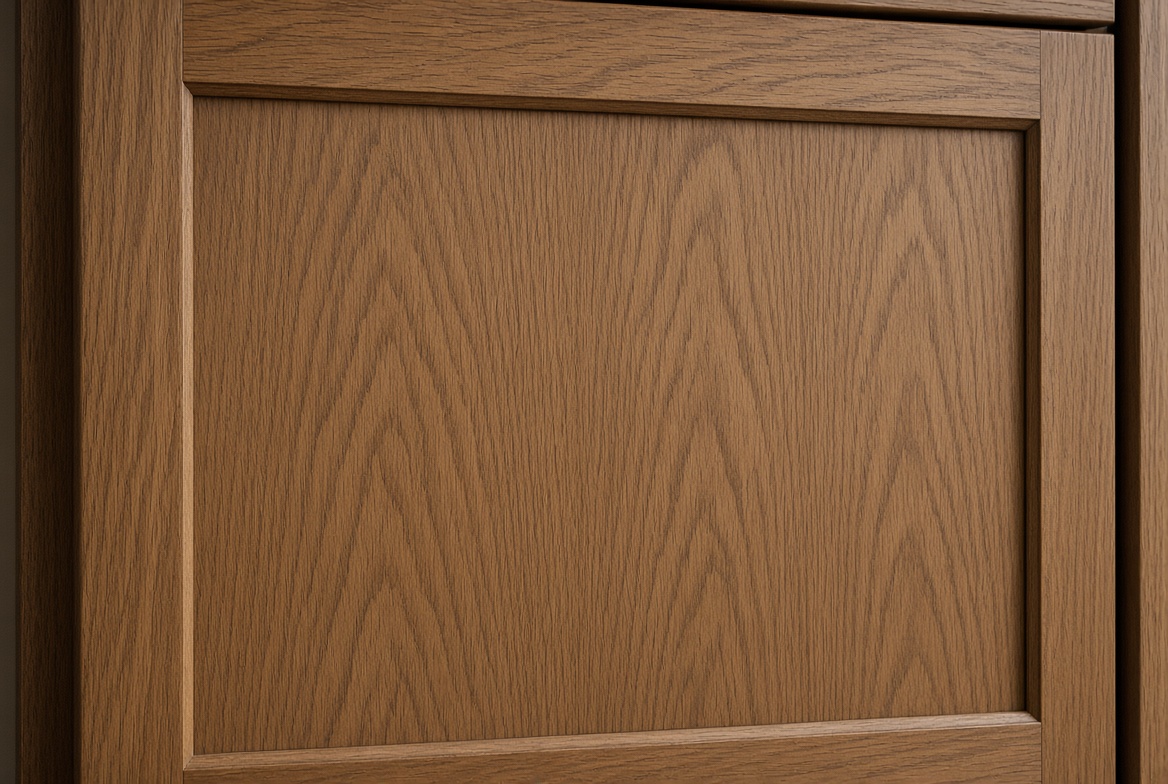
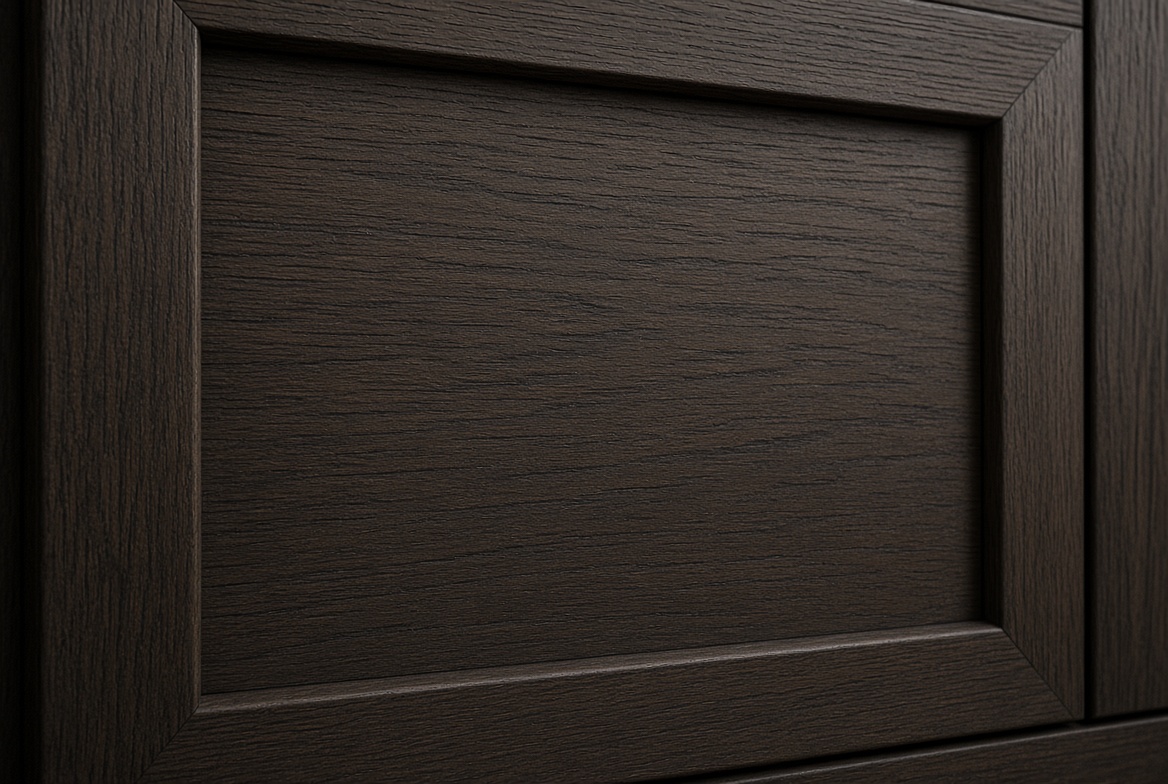
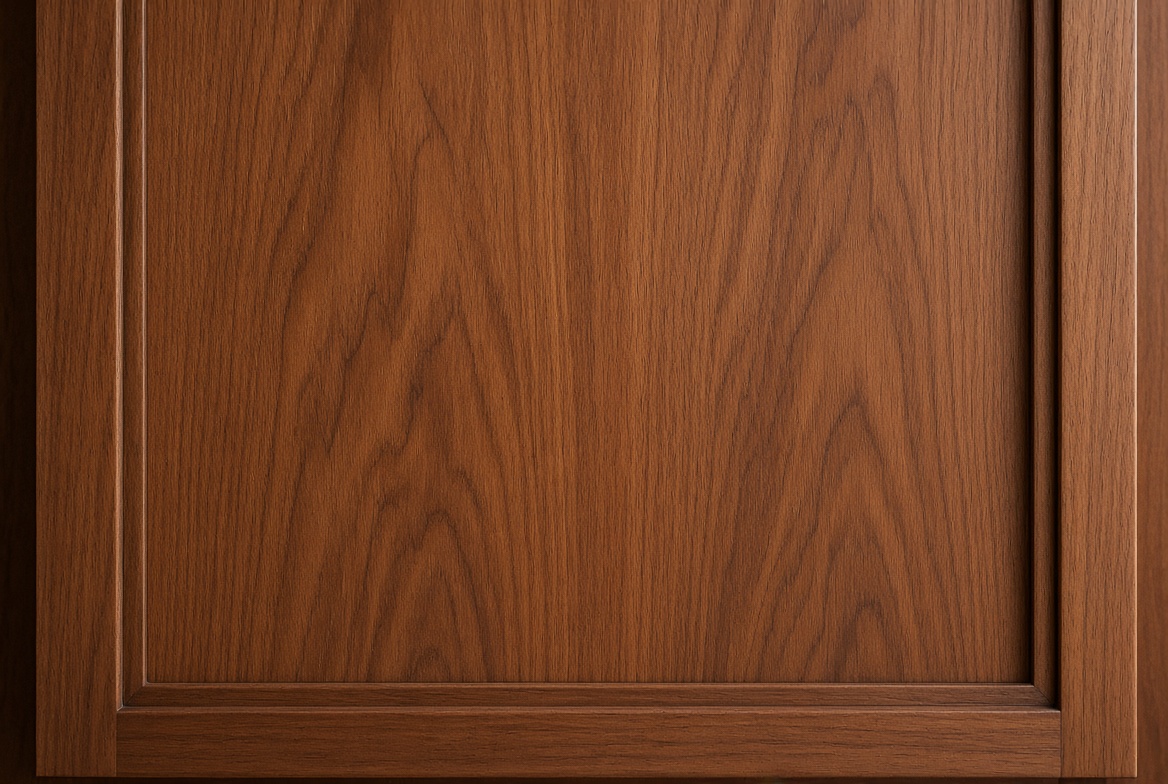
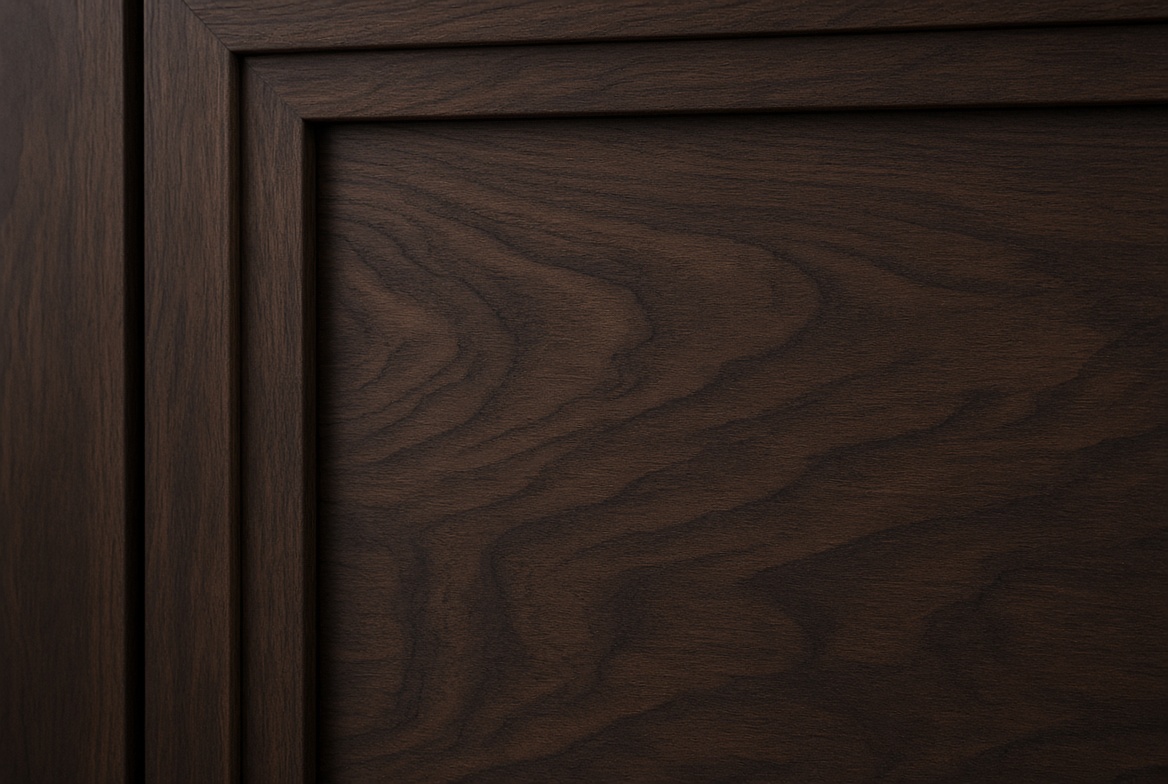
Illustrative Wood tones side by side. Four example doors; not exact supplier colors or product swatches.
Nine appearance references
Oak, maple and walnut looks
Use these to decide a direction, light or deep, warm or cool. They are not finish names, SKUs or a promise of any color and wood pairing.
Illustrative
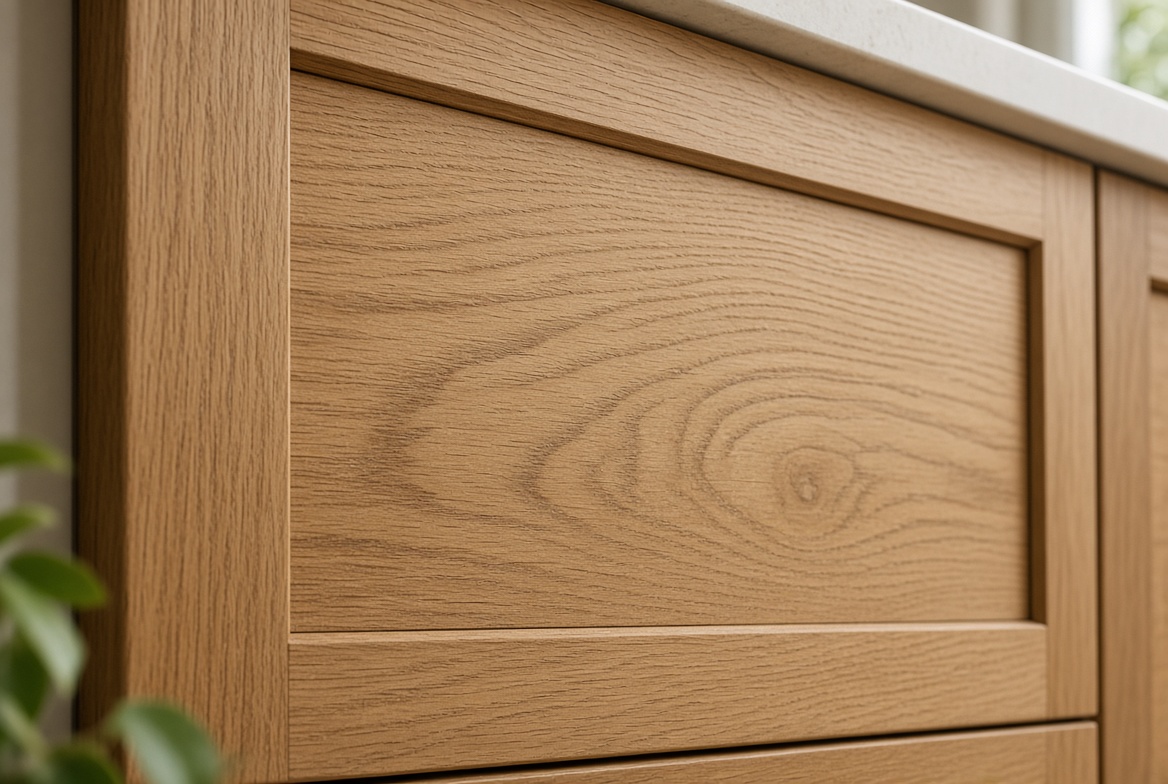
Natural matte oakOak referenceThe most honest look: open grain, pale and matte.
Illustrative
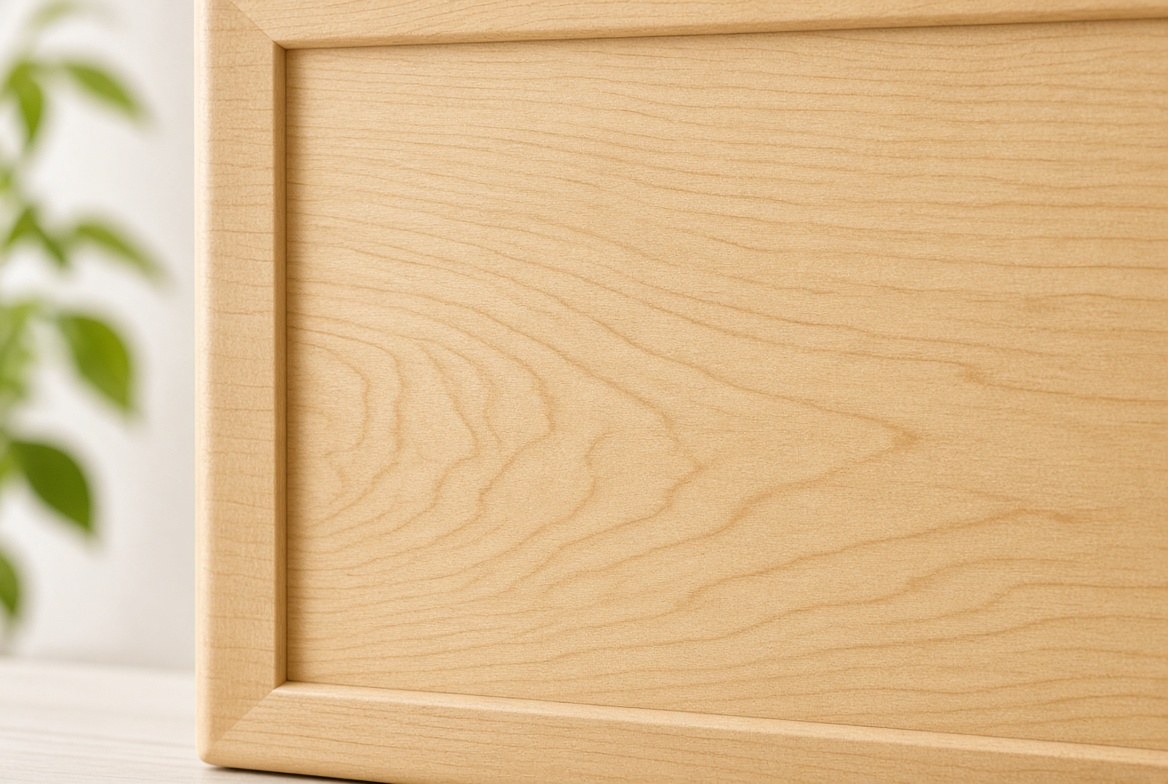
Light mapleMaple referenceTight, quiet figure that reads calm under daylight.
Illustrative
Golden oakOak referenceWarmer honey tone that glows in evening light.
Illustrative
Greige oakOak referenceGrey-beige cast that softens the yellow in oak.
Illustrative
Medium oakOak referenceA middle register; grain stays legible.
Illustrative
Charcoal oakOak referenceDeep, smoky color where the cathedral figure still shows.
Illustrative
Warm walnutWalnut referenceWarm brown with natural variation in each board.
Illustrative
Medium walnutWalnut referenceRich mid-brown; sapwood and heartwood contrast can show.
Illustrative
Espresso walnutWalnut referenceThe darkest reference here; dense and enveloping.
Wood species, board selection, preparation, lighting and application all change appearance. Screens and reference images cannot establish true color. Ask for actual sample doors before specification.
The two systems we offer
Oil, or stain and topcoat
Plant-based hardwax oil
Rubio Monocoat Oil Plus 2C
Colors and protects interior wood in one layer. The finish sits in the wood rather than as a thick film, so the grain stays close to the hand.
VOC
0% VOC / 0 g/L for the two components, per the current manufacturer TDS
Drying
12 to 24 hours
Curing
About 80% in two days; full cure in five days under the manufacturer's conditions
Working time
About 4 to 6 hours once mixed
How it is applied to furniture
Sand scratch-free, final screening about 100 to 150 grit as appropriate to the manufacturer's method.
Vacuum, clean and allow to dry.
Stir component A, then mix approximately three parts A to one part B for 1 to 2 minutes, following the actual label.
Spread thinly, let absorb a few minutes and remove all excess within 30 minutes so the surface is non-sticky.
Industrial production needs supplier technical approval. Always defer to the current TDS and SDS, PPE, ventilation and job-specific tests.
Safety warning
Oil-soaked cloths and pads can self-heat and spontaneously combust. Immerse used materials in water as the supplier directs before disposal, follow the current SDS and local disposal requirements, and never leave them piled.
The manufacturer's certificate library lists GREENGUARD, Eurofins Indoor Air Comfort Gold, EN 71-3 toy-safety testing and food-contact compliance documents for specified products and systems. Scope and fully-cured, specified-use conditions apply; these are not SEKCÉ certifications or a blanket food-safe or non-toxic claim.
Tung oil, linseed oil and soy-derived stains are other examples of plant-derived wood finishing. We mention them for education only. They are not confirmed SEKCÉ offerings, and nothing here is a food-safety guarantee.
From reference to kitchen
How to specify with confidence
Pick a directionUse the references above to narrow light, mid or deep, warm or cool.
Hold real doorsRequest physical samples and view them in your own kitchen light.
Confirm the scheduleWe confirm wood, color, substrate, topcoat and a written finish schedule for your collection.
Price and orderYour order documents state exactly what is applied.
No. Here sustainable describes lower-VOC and plant-derived finish choices. It is not a carbon-neutral or zero-impact claim, and low VOC does not mean zero emissions, allergy-free or harmless.
Can I choose either finish on any collection?
Not automatically. SEKCÉ offers Rubio Monocoat Oil Plus 2C and AFM Safecoat DuroStain Pro for suitable stained-wood cabinetry. Discuss Heritage, Design and custom-stained projects with the team to confirm the wood, color, substrate, topcoat and written finish schedule before ordering.
Are the wood images on this page exact finish colors?
No. They are illustrative, owner-supplied appearance references, not production photos, exact supplier shades or product swatches. Wood species, preparation, lighting and application all change appearance, so request physical sample doors before you specify.
Are the supplier certifications SEKCÉ certifications?
No. Supplier product certifications apply to specified products or systems under the conditions in their documents. They are not certifications of SEKCÉ, its factory or every finished cabinet.
How long before an oiled kitchen is ready for daily use?
For Rubio Monocoat Oil Plus 2C, the current manufacturer data reports drying in 12 to 24 hours, about 80% cure in two days and full cure in five days under its stated conditions. Your written finish schedule governs your project.
Supplier data reviewed November 22, 2026. Supplier documents change; the current TDS, SDS and your written finish schedule take precedence over this page.